1.2
The Paradigm
The West continues to look inwards.
We look at the Situation.
For over 2,500 years, ever since the telling of The Odyssey, Western thought has understood the human being as an individual possessing a subjective inner world.
In this inner world, thoughts, feelings, and “The Self” are presumed to reside.
The Ancient Greeks called it the psyche.
Christianity called it the soul.
Descartes separated body and mind.
Freud analysed the subconscious.
Psychology studied it, psychiatry sought to heal it, and neuroscience continues the search into the brain. So far, this search has been unsuccessful. The language has changed, but the direction has not:
The West continues to look inwards.
We look at the Situation.
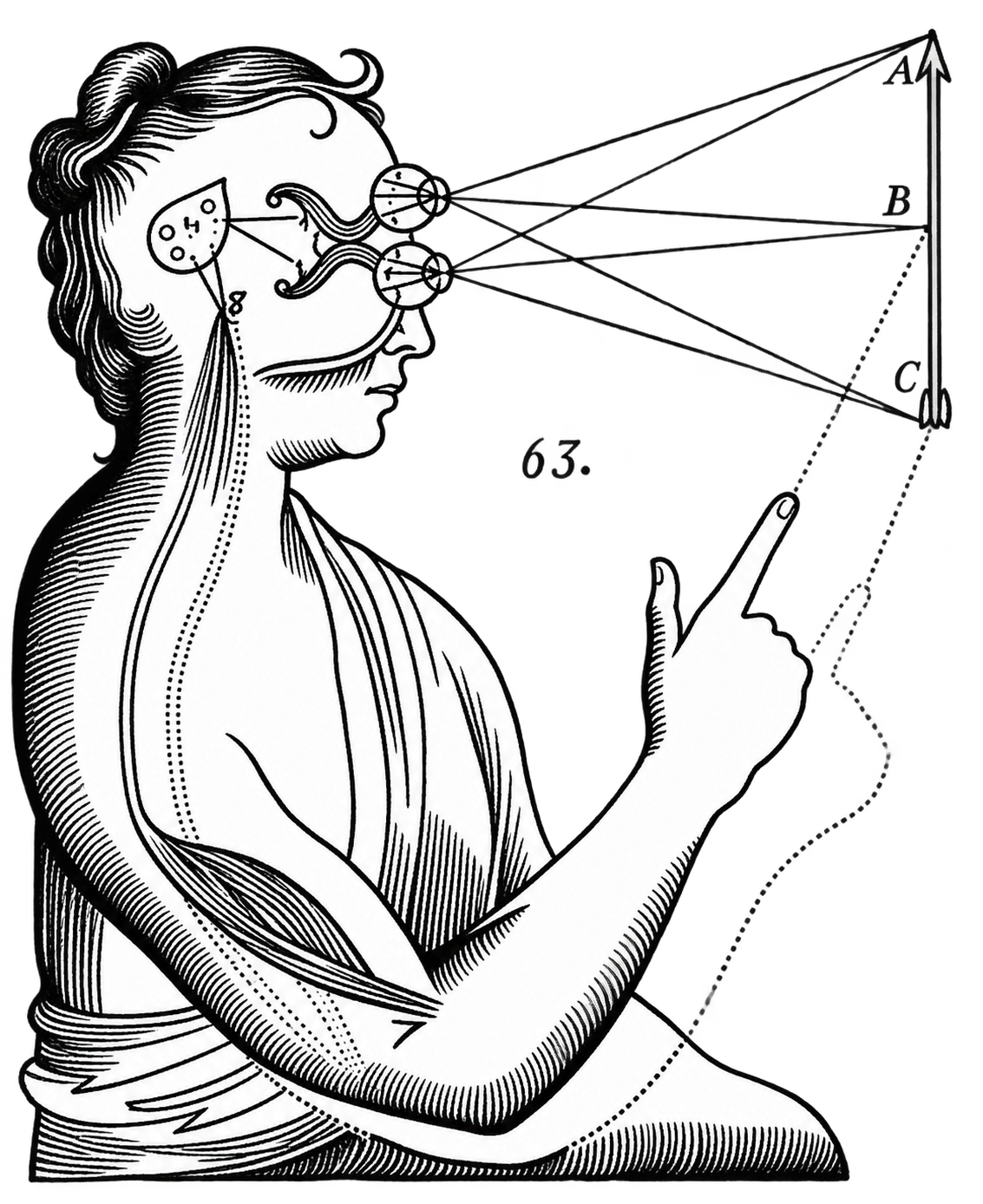
What is Prosoponistics?
A Situation is more than a collection of people, objects or happenings.
The German philosopher Hermann Schmitz described the Situation as a detached whole held together through a coherence of meaning. In other words, meaning is not interpreted through reflection; it is there from the beginning. The individual details of a Situation can be explicated only through language and thought.
Whilst the innerworld paradigm has shaped philosophy, psychology, science, and—with that—our understanding of the human condition, The Prosopon Institute develops the science of Situations.
We call this science Prosoponistics: the systematic study of the Situations through which human life unfolds.
What if the human being is not an isolated individual confined to a subjective inner world?
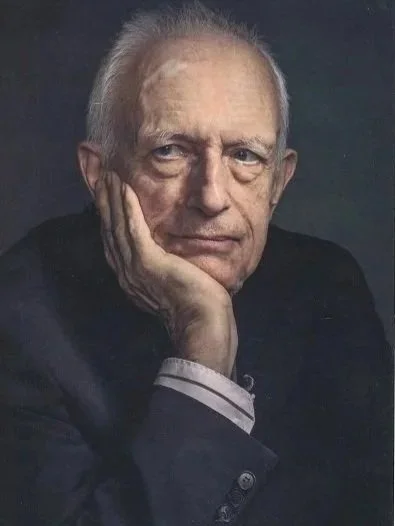
Prof. Hermann Schmitz
Founder of Neo-Phenomenology
“What if our most fundamental reality is not ‘The Self’, but the Situation?”
Day to day, we find ourselves affected by the Situations we encounter before we can analyse, interpret or explain them:
You enter a room and instantly perceive the atmosphere. A tone of voice changes the meaning of a conversation. An approaching threat makes you change your direction. The significance of such situations is imposed upon us involuntarily. We perceive, feel and act before conscious thought or reflection can occur.
This simple observation represents a profound shift: the situation - not the psyche - becomes the primary reality of human life. Rather than asking what is happening inside a person’s mind, this shift invites us to ask what is happening within the Situations we encounter.
From this radical starting point emerges the Prosopon: not the individual considered as an isolated inner world, but the human being whose existence unfolds within shared Situations.
“Instead of asking what happens inside the mind, we ask how human experience is shaped by Situations.
And how the human being can shape Situations in return.”
What is the Prosopon?
Every science bears the name of its subject matter. The subject matter of Prosoponistics is the Prosopon (pl. Prosopa).
The term Prosopon denotes the human being as a Situation; a Situation affected by Situations, capable of sensing and speaking, of grasping the meanings of other Situations, explicating details through language, and able to influence and shape Situations. A Prosopon is never simply an isolated observer of reality. Nor is it a social role, personality or identity. It is the human being as encountered in lived Situations: where feeling, subjectivity and meaning arise simultaneously.
The same Situation can affect different Prosopa differently. Likewise, the same change to a Situation can carry a different meaning for different Prosopa in different contexts.
The Situation comes first.
The world can be described through language as individual details: people, things, places, events, diagnoses, concepts, beliefs, values and rules. These explanations enable thought, planning, science and technology. But the meaning of a Situation is always already there before.
Through our study of Situations Prosoponistics investigates how meanings are understood, which differences are decisive in this understanding, and how Situations can be shaped by altering such aspects. Instead of asking what happens inside the mind, we ask how human experience is shaped by Situations. And how the human being can shape situations in return.
To this end, The Prosopon Institute develops concepts, methods, and procedures for both research and practice. The main instrument of this practice is the Aspekte Panorama. In over 30 years of clinical practice, Dr. Jacob has used such methods to successfully treat psychiatric patients that other professionals had deemed incurable.
If we begin with the Situation rather than the mind, many of life's familiar challenges can be perceived in a different light. From relationships to organisations, conflict to leadership, feelings and personal decisions, all can be understood not only through the people involved, but the Situations they share.
This is not a different world. It’s the same world.
We’re just no longer looking in.